















Dynamic dashboards that transform field management
Case study — Carter Cash
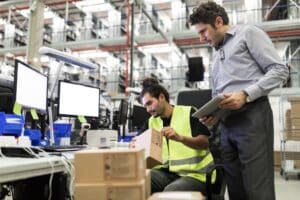
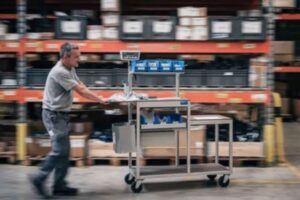
Managing a warehouse requires a cascade of stakeholders: from the logistics manager to the warehouse manager, including the team leader. The challenge: ensuring that resources are allocated to the most urgent activities at any given time.
When this information isn't shared in real time, every allocation decision is made without visibility. Dynamic dashboards change that.
The challenge: to make real-time trade-offs between productivity and customer service
The Carter Cash platform operates on three channels simultaneously : e-commerce, B2B/B2C, and counter service. This diversity creates a constant tension:
- Consolidate for productivity : group tasks to make every trip profitable
- But responding at the counter : customer service may require processing only current orders, to the detriment of bulk orders.
The warehouse manager must constantly arbitrate between these two objectives — and to arbitrate, one must see. In real time.

The WMS solution: strategic screens, constantly refreshed
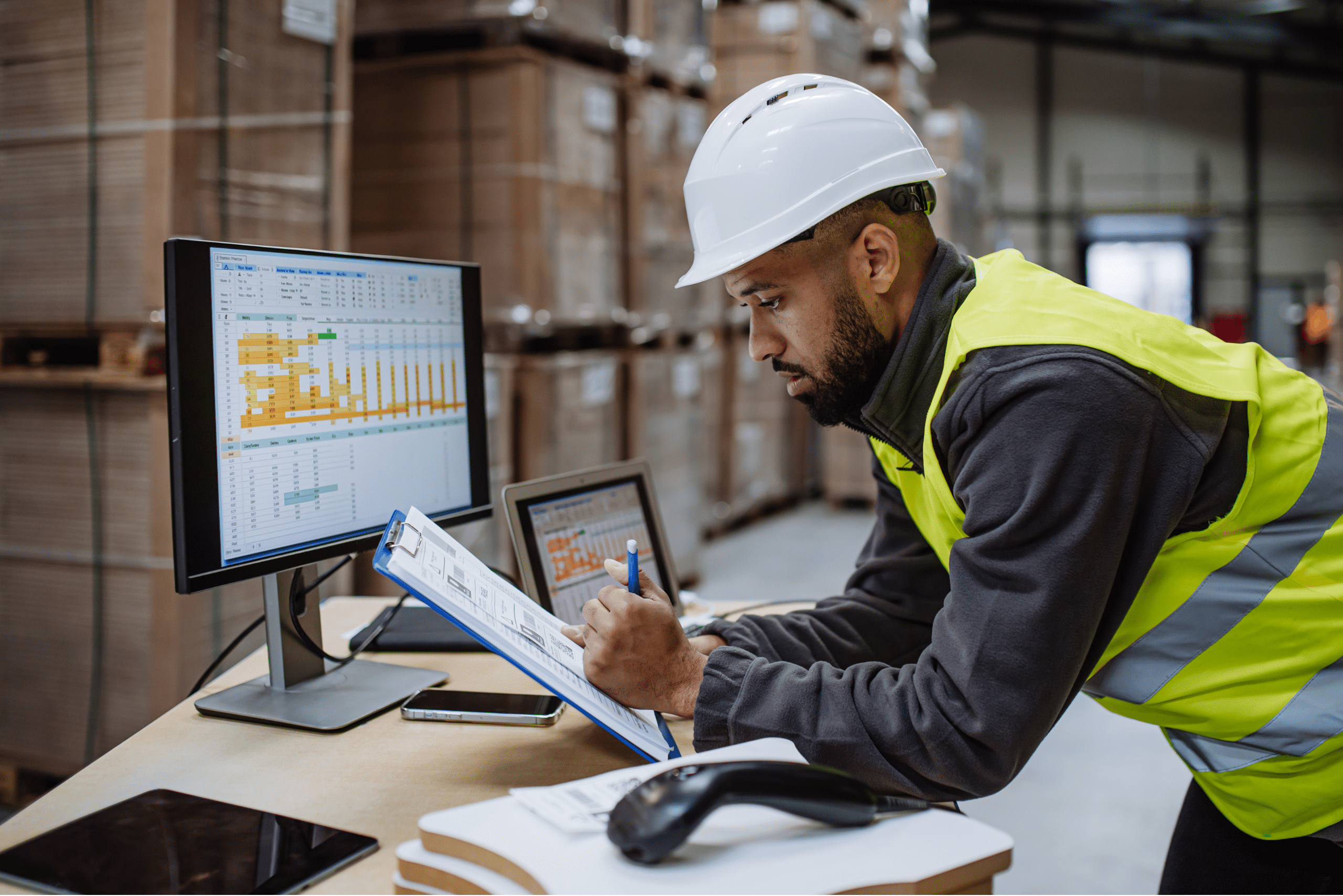
The WMS dashboards are positioned in strategic locations within the warehouse and display continuously updated information:
- Number of missions remaining per zone and per type
- Counter tasks at the current moment, along with the associated customer wait time.
- Number of urgent missions
- Scheduled reception appointments for today and number of lines to be received
These display boards are used both by operators (who visualize the priorities of the moment) and by managers (who decide on the allocation of resources between receiving and shipping).
The impact: aligning the entire information chain
The dashboards are configurable and adapted according to:
- The screen's location in the warehouse
- The company's business processes
- Key information needed for local decision-making
At Carter Cash, the implementation of these dynamic dashboards has made it possible toalign the entire information chain : managers and operators see the same thing at the same time, priorities are shared, and decisions are made in real time.
In concrete terms, this has resulted in a reduction in the use of temporary workers to cover peak periods during the day and better use of flexible working hours — because when everyone sees the emergency at the same time, the collective response is faster and more effective.

Dashboards are transforming communication in the warehouse. By making the invisible visible, they give every stakeholder — from team leader to operator — the tools to make effective decisions and handle emergencies together, without micromanagement.
You don't want to wait?
Let's discuss your logistics challenges
A SITACI expert analyzes your context and identifies your performance levers.
REQUEST AN EXPERT DIAGNOSIS →