




















Discover our industrial logistics customers
100% BtoB and delivering to internal customers, industrial logistics is opposed to distribution logistics. Indeed, it concerns all activities and processes aimed at managing and optimizing the flow of goods supplying production lines, Business Units, or processing machines within a factory. The challenges to be met for this particular logistics are multiple and complex in order to meet very demanding internal demand.
Industrial logistics: specific needs
Effective management of production flows
Production flow management involves controlling and optimizingthe movement of raw and/or components. This requires:
- Planning supplies: ensuring a continuous and balanced supply of raw materials to avoid interruptions.
- Coordinate operations: synchronize the different stages of production to ensure that each line operates smoothly and without downtime.
- Minimize travel time: reduce travel between workstations to improve efficiency.

Optimization of storage space
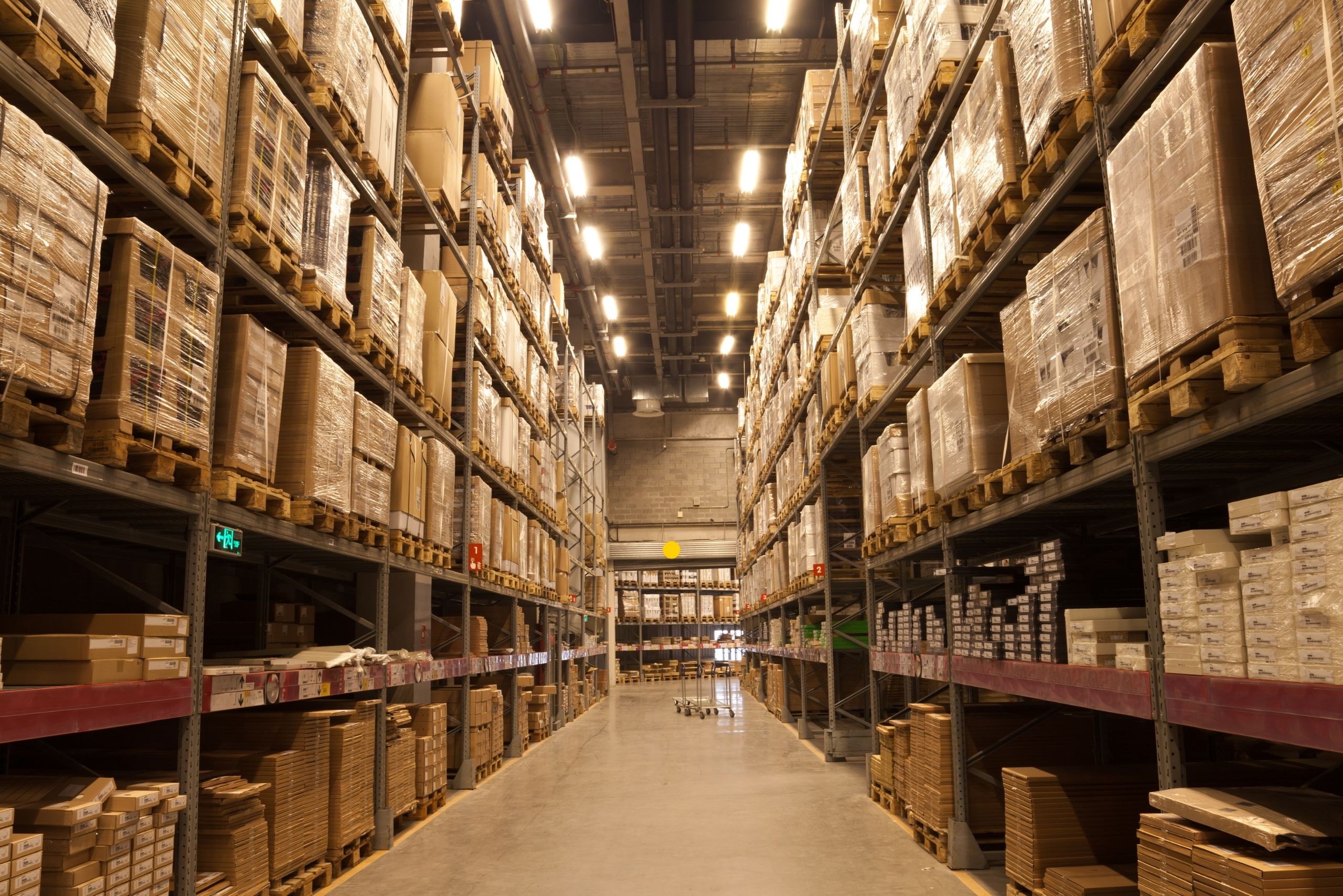
The challenge? To organize storage areas strategically to facilitate rapid access to necessary and high-turnover materials, while optimizing available space.
Reduction of internal costs
Reducing internal costs requires optimizingprocesses and rigorously managing resources. To achieve this, companies must:
- Reduce excess inventory: use inventory management techniques, such as just-in-time, to maintain minimum inventory levels without compromising production.
- Improving processes: identifying and eliminating inefficiencies and waste in production processes through methods such as Lean Manufacturing.

Improved productivity
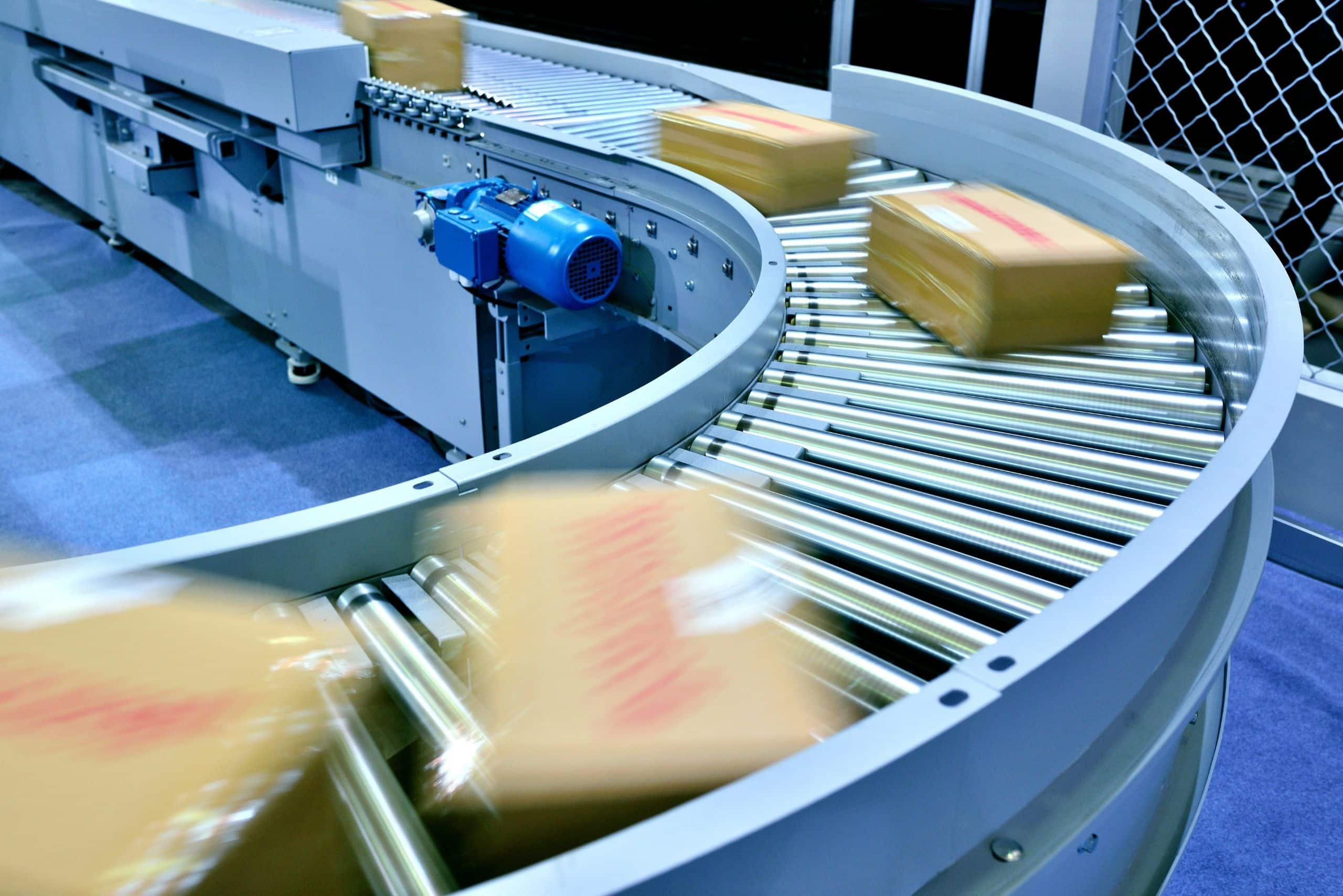
Improving productivity is a central issue in industrial logistics. It involves analyzingand reorganizing flows to avoid bottlenecks and increase the speed of operations.
Don't forget: the implementation of performance monitoring via KPI's to monitor the efficiency of operations and identify areas requiring improvement.
Industrial logistics: what are the challenges?
Industrial logistics can be very complex and remains a pillar of business performance that should not be overlooked. In order to remain competitive in terms of productivity and efficiency, it must respond to the challenges of its supply chain.

Inventory and raw materials management
To avoid stockouts and excess inventory, effective management of both stock and raw materials is essential. This requires:
- Rigorously plan requirements: use demand forecasts and historical analyses to plan raw material and component requirements.
- Real-time monitoring: tracking stock levels and material movements. This allows for rapid response to changes and adjustment of stock levels accordingly.
Traceability and product controls
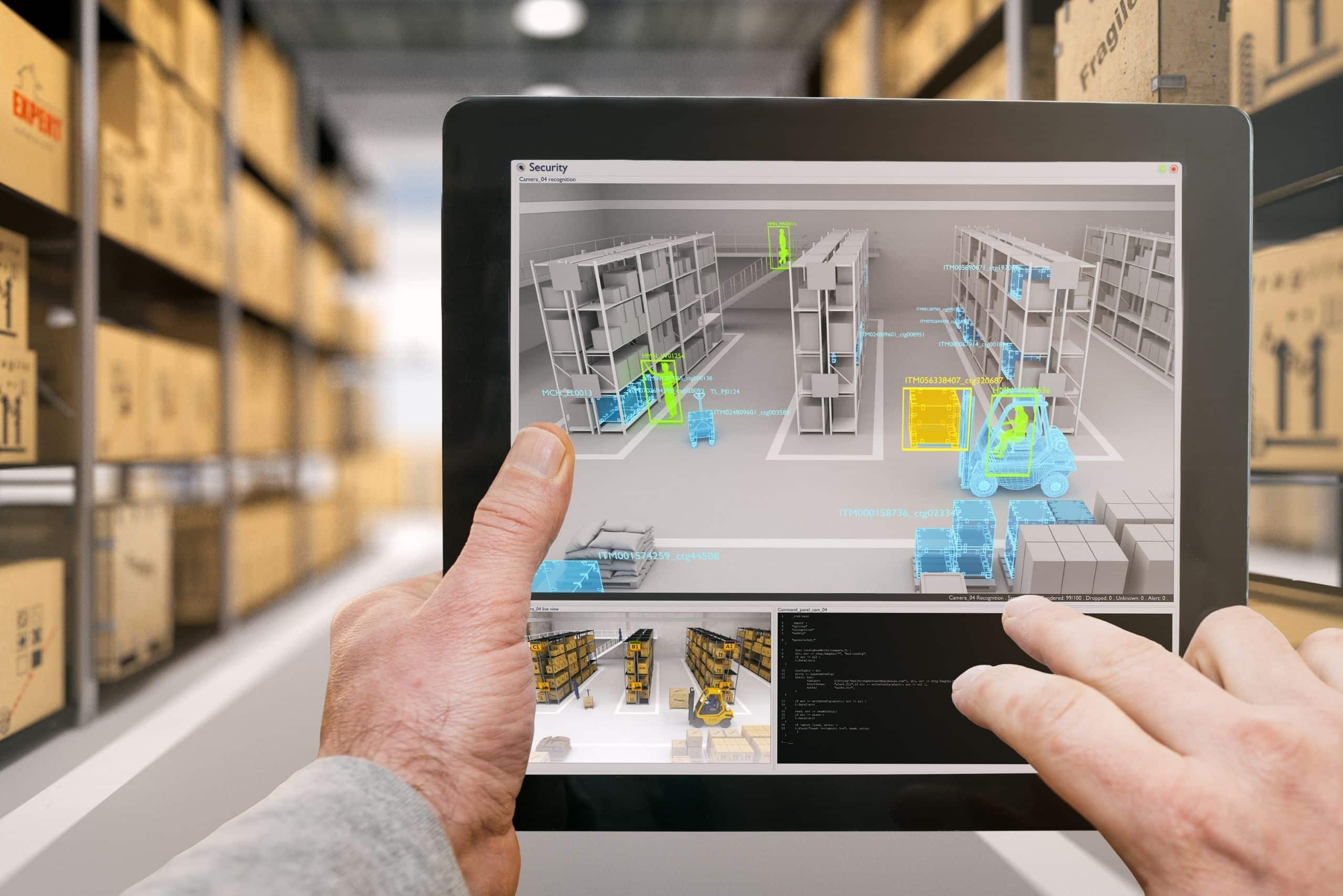
The internal quality department is demanding. Product traceability and control must be ensured to guarantee compliance with standards. To this end, the use of traceability systems, such as RFID or a WMS, to track products throughout the process is necessary. In addition to this traceability, quality controls are naturally implemented at each stage of the process to detect and correct problems quickly.

Adaptation to production fluctuations
Industrial logistics must be flexible to adaptto variations in demand (seasonality or new product launches, for example) and production uncertainties. This requires:
- A rapid response capability: putting in place systems and processes that allow for rapid response to changes in demand and production interruptions.
- Forecast management: using forecasting tools to anticipate fluctuations in demand and adjust production plans accordingly.
The role of WMS in industrial logistics
The Warehouse Management System (WMS) provides real-time visibility into the movement of raw materials and products, facilitating traceability and inventory management. It also optimizes storage space capacity and processes by reducing errors by up to 99% and operational costs.

Why use EGO WMS?
Developed by logistics professionals for logistics professionals, our inventory management solution, the EGO WMS, benefits from over 35 years of evolution and adaptation. Fully configurable, EGO supports you in:
- Preparing lists to serve,
- The production declaration,
- Stock reintegration,
- Line edge management,
- Manufacturing orders (provision of the exact number of components for manufacturing),
- The production output,
- Management of ranges and nomenclatures.
The EGO solution tracks all logistics operations, from the preparation of components or raw materials to the reintegration of stock. Finally, the EGO WMS offers modules compliant with current regulations.
B2C
No posts found for this term.
Book a free demo
Contact us to book your EGO WMS demo
Ready to find out how we convinced more than 580 customers to optimize their logistics with EGO WMS?
Please fill in these fields
to book a demo