

















Reverse logistics: our management of product returns
Logistics
Supply Chain
June 10, 2024
What is reverse logistics?
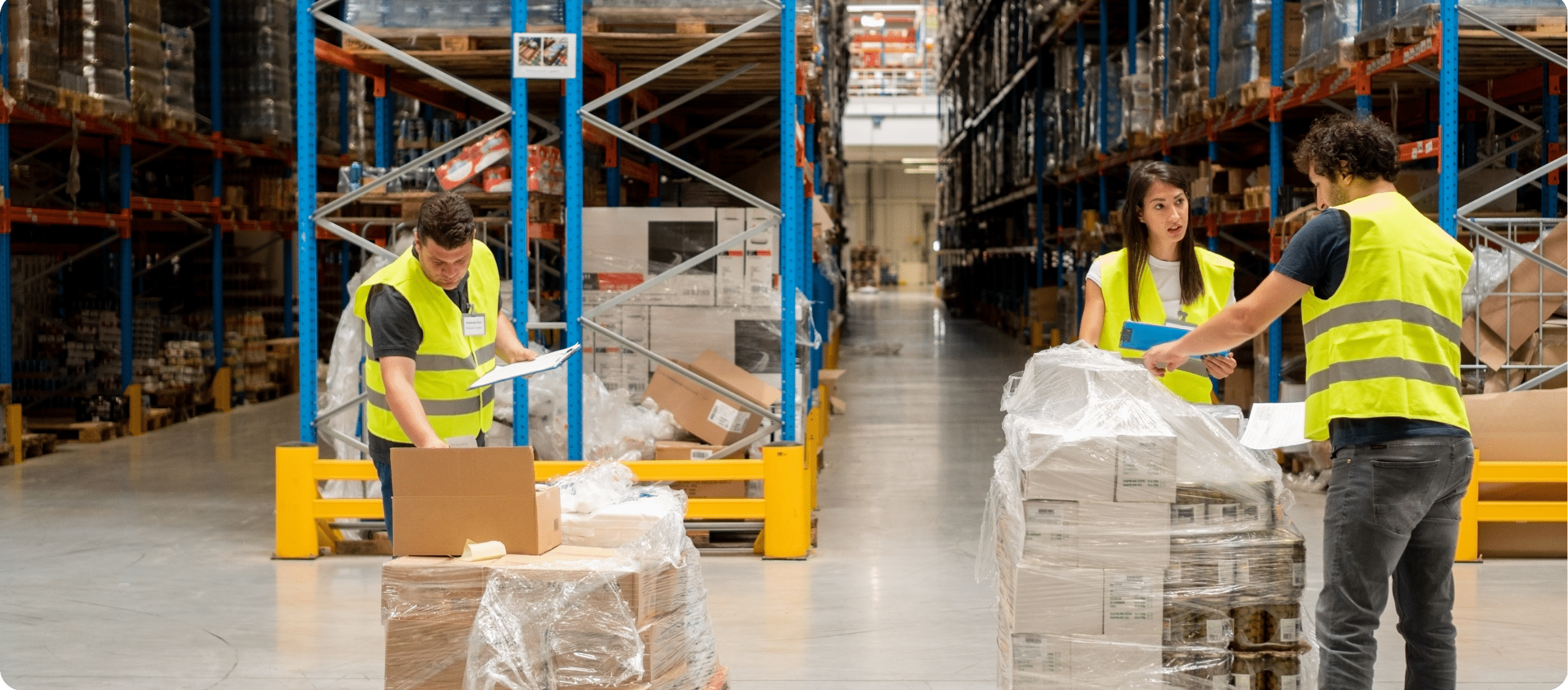
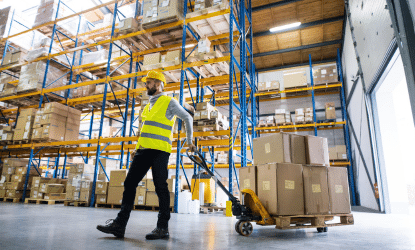
Reverse logistics is a management process that focuses on the return of products from the consumer to the manufacturer or distributor. Unlike traditional logistics, which focuses on the delivery of products from the manufacturer to the consumer, reverse logistics deals with the management of returned products for various reasons, such as customer returns, defective products, recycling, or material reuse.
Why is reverse logistics important?
- Customer satisfaction: The ability to easily return products increases customer satisfaction and loyalty.
- Sustainability: It allows for the recycling and reuse of products and materials, thus contributing to more environmentally friendly practices.
- Cost reduction: By recovering and reusing products or components, companies can reduce their production and supply costs.
- Regulatory compliance: Many industries must comply with strict regulations regarding the treatment of end-of-life products.
A module for managing product returns
A technological module within our EGO WMS was jointly developed with a French specialist in outsourced returns solutions for marketplaces. The goal is to more efficiently interface the flow of information between online retailers and their warehouses.
The challenges of interfacing between WMS and CMS
Our partner had observed the significant challenge of connecting two often opposing IT worlds: WMS) for warehouses and Content Management Systems (CMS) for marketplaces. With the explosive growth of e-commerce, managing product returns has become a major headache for many online retailers. Our EGO WMSalready offered functionalities reverse logistics to streamline returns: receiving, inspection, and warehousing. Until now, these functionalities were activated through an interface with an ERP system.
The goal is to more effectively interface the flow of information between online retailers and their warehouses.
New innovation
The innovation here was to interface this existing component in EGO with our partner's returns management solution. Thanks to this module, the gains are measurable in:
- The time it takes to put a returned customer item into stock (and therefore to put it back on the market for e-commerce sites),
- The decrease in the rate of shrinkage due to obsolescence of items,
- A reduction in receiving operations associated with a gain in receiving storage areas (linked to a reduction in work-in-progress).
This hybrid module has been installed at a major e-commerce player in France. Returns management is now handled by a new logistics provider chosen by our partner, who is responsible for inspection and restocking operations.
Perspectives: Beyond this initial success, this collaboration with our partner aims to offer this universal "plug & play" module, a kind of IT Swiss Army knife, to web merchants and logistics providers working for them.