



















Discover our e-commerce logistics clients
In an increasingly digital environment, e-commerce logistics is now key to the success of online businesses. Also known as e-logistics, it encompasses processes that enable the efficient management of goods flows within the context of electronic commerce. It is often carried out through web platforms, marketplaces, and resellers.
E-commerce logistics: demand-driven needs
Inventory management
In e-commerce, optimal inventory management is crucial to avoiding stockouts and overstocking . Businesses need real-time visibility into their inventory to respond quickly to orders. This includes, among other things, automating replenishment and using demand forecasting tools to anticipate future needs.

Returns Management
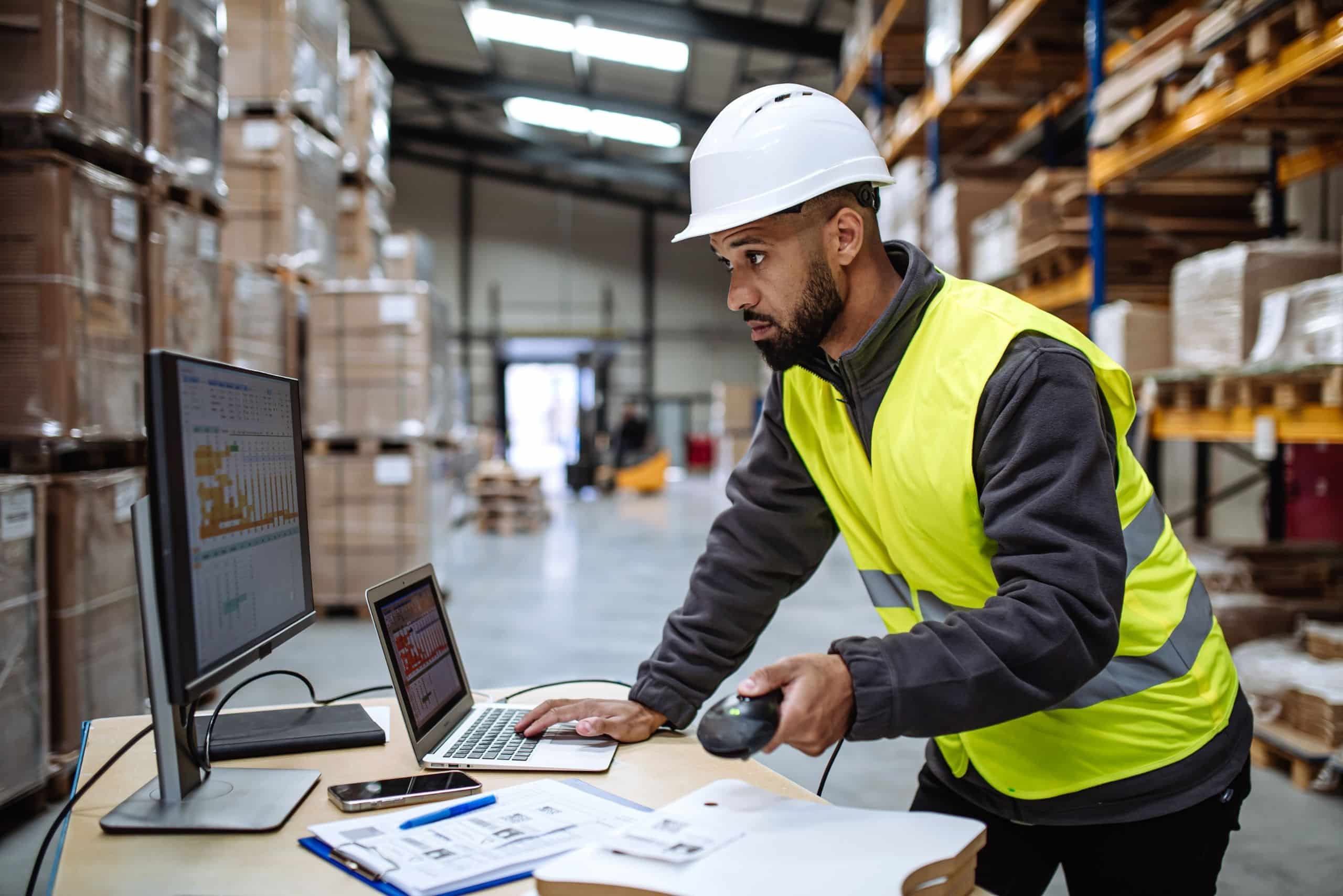
The returns process must be simple and efficient . The return policy needs to be clear for customers , and the processing of returned products must be quick. Once a return is made, the management of refunds, as well as the inspection of items for restocking, must be effective.
Personalization of services
Customers appreciate personalized services, such as flexible delivery options or custom packaging. Meeting these increasingly popular expectations requires agile and, above all, responsive logistics.


Managing peak demand
Periods of high demand, such as sales or holidays, require increased storage and order processing capacity increased information . In this situation, the flexibility and scalability of logistics infrastructure, both hardware and software, are crucial for managing these fluctuations.
E-commerce logistics: what are the challenges?
Productivity is the central issue in e-commerce logistics. The search for optimization in order preparation cycles and opportunities to automate tedious or time-consuming tasks is ongoing. This sector is striving for stability, especially during peak periods, and to achieve this, it must address several major challenges.

Cost optimization
The challenge here? Reducing logistics costs without compromising service quality . Automation and the use of advanced technologies help achieve this goal. Indeed, cost reduction involves optimizing warehouse routes and using WMS software .
Customer satisfaction
Efficient logistics means satisfied customers. Fast shipping and a smooth returns process directly impact the customer experience. Every step of the logistics process must be optimized to avoid errors, delays, and ultimately, customer frustration.

Technological innovation
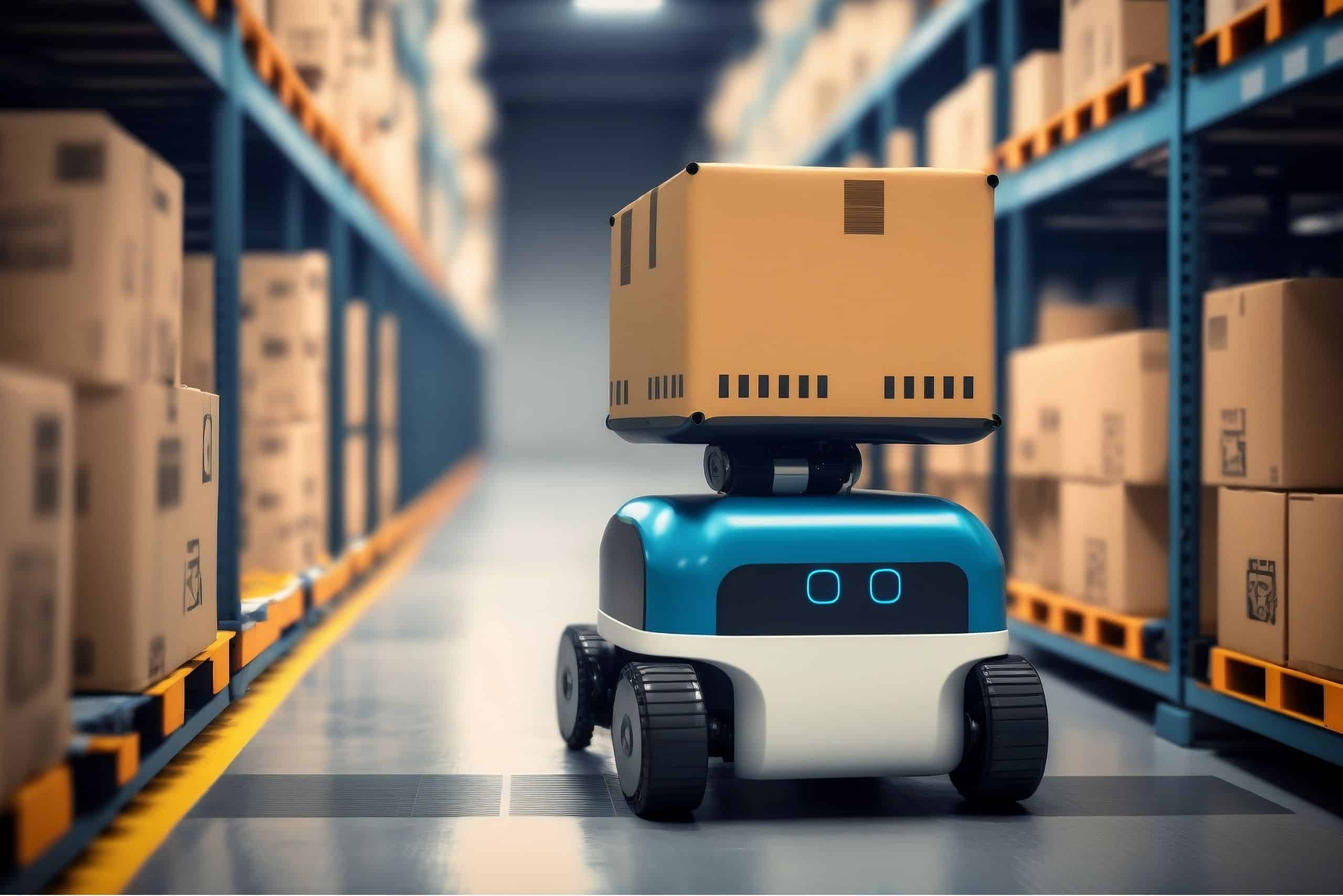
To improve their efficiency and remain competitive, companies must integrate new technologies into their logistics, such as a WMS (Warehouse Management System) or automation through robots. These tools are indeed useful for optimizing the management of physical flows and storage space, reducing errors and unnecessary movement, and customer demand
Adapting to fluctuations in demand
The e-commerce sector is often characterized by surges in demand, particularly during sales periods and holidays. Businesses must adapt quickly to these fluctuations and have flexible logistics to avoid delays and stockouts.

The role of WMS in e-commerce logistics
A warehouse management system (WMS) is a valuable asset in e-commerce logistics. It optimizes inventory management , facilitates shipment planning, and allows for real-time order tracking . A WMS also plays a role in reducing errors and handling operations, as well as improving product traceability. Furthermore, a WMS can interface with other systems such as ERPs or, essential in e-logistics, marketplaces, content management systems (CMS), order management systems (OMS), transportation management systems ), and even loading stations.
All of these interfaces allow for smooth coordination between the different departments of the company, thus improving overall efficiency.
Why use EGO WMS?
Developed by logistics professionals for logistics professionals, our inventory management solution, the EGO WMS , benefits from over 35 years of evolution and adaptation. The pursuit of effectiveness and efficiency is at the heart of what we offer with the EGO WMS. This pursuit is expressed in particular through:
- Automated stock replenishment cycles,
- The consolidation of goods storage operations upon receipt into pre-defined zones and based on an optimized route,
- Storage directly in the picking area to limit forklift handling and speed up availability
- Automated replenishment of the picking system,
- A sequencer that automates the selection of the best preparation method based on the products and the nature of the order
- A mission organization entirely managed by the tool in order to create pools of priority missions in real time,
The EGO WMS also integrates the automation of order processing from the information system where they were entered to the order picker's PDA.

Book a free demo
Contact us to book your EGO WMS demo
Ready to find out how we convinced more than 580 customers to optimize their logistics with EGO WMS?
Please fill out these fields
to book a demo